
TB-500 Dosage Chart (in Units): A Research Reference
Concentration-to-syringe-unit tables for reconstituted TB-500 — a 10 mg vial at 2 mL and 5 mL dilutions, mapped to U-100 insulin units.

Retatrutide: The Questions Researchers Ask Most
The retatrutide questions that recur most often online, answered from published trial data — and a clear line between what was measured and what was anecdote.

Retatrutide vs Zepbound, Wegovy, and Ozempic
Brand names decoded: which compound sits inside Zepbound, Wegovy, Mounjaro and Ozempic, and how retatrutide compares to each at the receptor level.

Retatrutide Timeline: What the Research Shows Over Time
How retatrutide outcomes progressed across the 48-week Phase 2 trial — onset, the shape of the curve, whether it plateaued, and what discontinuation shows.

Best BPC-157 in Canada: How to Judge a Supplier
There is no single best BPC-157 in Canada, but there are criteria that separate documented suppliers from resellers. CoA, purity, price, and red flags.

BPC-157 Oral vs Injection: How the Two Forms Compare
Capsules and lyophilised vials are the two BPC-157 forms on the market. Why an oral form exists, how preparation differs, and what the research shows.

BPC-157 Side Effects: What the Research Actually Reports
No large human trial sits behind the BPC-157 side-effect lists you find online. What rodent studies report, what regulators have said, and what stays unknown.

BPC-157 Dosage Chart (in Units): A Research Reference
Concentration-to-syringe-unit tables for reconstituted BPC-157 — 5 mg and 10 mg vials at common dilution volumes, mapped to U-100 insulin units.

Retatrutide Side Effects: The Clinical-Trial Adverse-Event Profile
What Phase 2 research reports about retatrutide's side-effect profile — the gastrointestinal signature, its dose dependence, and the glucagon-arm findings.

Retatrutide and Weight Loss: What the Phase 2 Research Shows
The published Phase 2 evidence on retatrutide and body weight — a 24.2% mean reduction at 48 weeks, the triple-agonist mechanism, and the dose-response curve.

Retatrutide FDA Approval Status and the TRIUMPH Trials
Where retatrutide stands in clinical development as of 2026 — why it is not FDA-approved, and what the Phase 3 TRIUMPH program is testing. Research only.
Retatrutide Dosage Chart (in Units): A Research Reference
Concentration-to-syringe-unit tables for reconstituted retatrutide — 10 mg and 20 mg vials at common dilution volumes, mapped to U-100 insulin units.

Dihexa: A Cognitive Research Peptide Guide
What Dihexa is, how the angiotensin IV-derived peptide is studied for HGF/c-Met activation and synaptogenesis, and how it is handled in the lab.

GHK-Cu (Copper Tripeptide-1): A Research Guide
What GHK-Cu is, how the copper-binding tripeptide is studied in collagen, extracellular-matrix and hair-follicle models, and how it is handled in the lab.

AHK-Cu Copper Peptide: A Research Overview
How the Ala-His-Lys copper complex differs from GHK-Cu, and what the hair-follicle and angiogenesis research literature examines in laboratory models.

KLOW Blend Explained: GHK-Cu, BPC-157, TB-500 & KPV
KLOW is a four-peptide research blend of GHK-Cu, BPC-157, TB-500 and KPV in one vial. What each component contributes and why it is studied together.

Bacteriostatic Water for Research Peptides: What It Is & How to Use It
What bacteriostatic water is, how it differs from sterile water and saline, and how it is used to reconstitute lyophilized research peptides.

What Is BPC-157? Benefits & Research Explained
BPC-157 is one of the most studied tissue-repair research peptides. What it is, how it works, and the properties researchers examine in laboratory models.
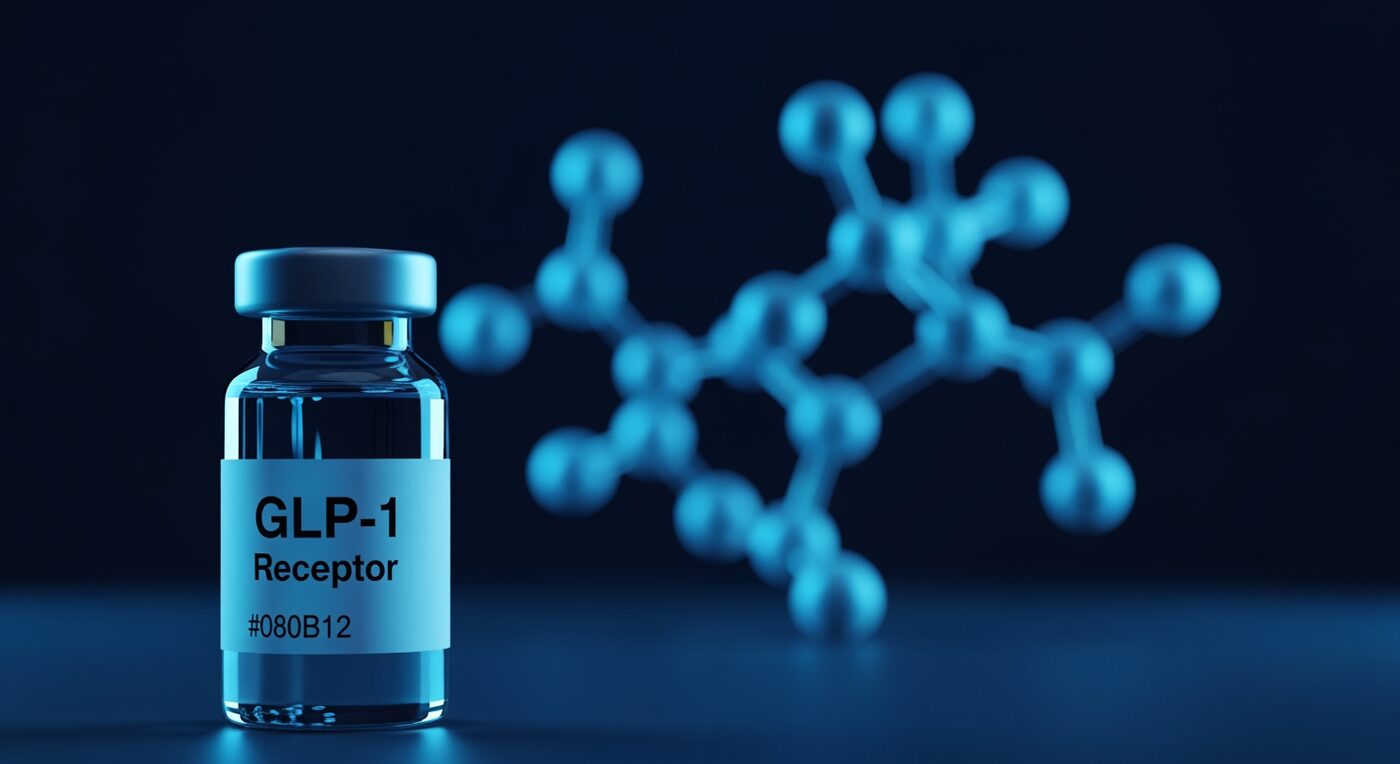
Retatrutide Titration: Finding the Effective Tolerated Dose
A research dosing framework for retatrutide titration — when a response appears, how to read each 4-week checkpoint, and the low-dose escalation ladder.

Retatrutide vs Semaglutide vs Tirzepatide: A Simple Guide
Semaglutide, tirzepatide and retatrutide explained in plain English. A simple side-by-side of how the three differ, no science degree required.
Understanding GLP-1 Receptor Agonists
An in-depth look at the mechanism behind GLP-1 receptor agonists, their role in metabolic research, and what the literature shows on dual and triple agonists.
Reconstituting & Storing BPC-157: A Researcher's Guide
A practical reference on reconstituting BPC-157 with bacteriostatic water, the 5 mg and 10 mg dilution math, and storing it before and after reconstitution.

Tirzepatide vs Semaglutide: Comparing Research Profiles
A side-by-side look at the receptor binding profiles, half-lives and published trial data that distinguish tirzepatide from semaglutide.

What Is GLP-3? Retatrutide, the Triple Agonist Peptide, Explained
"GLP-3" is the informal name for retatrutide, one peptide that activates GIP, GLP-1 and glucagon receptors. What the nickname means and what the trials show.
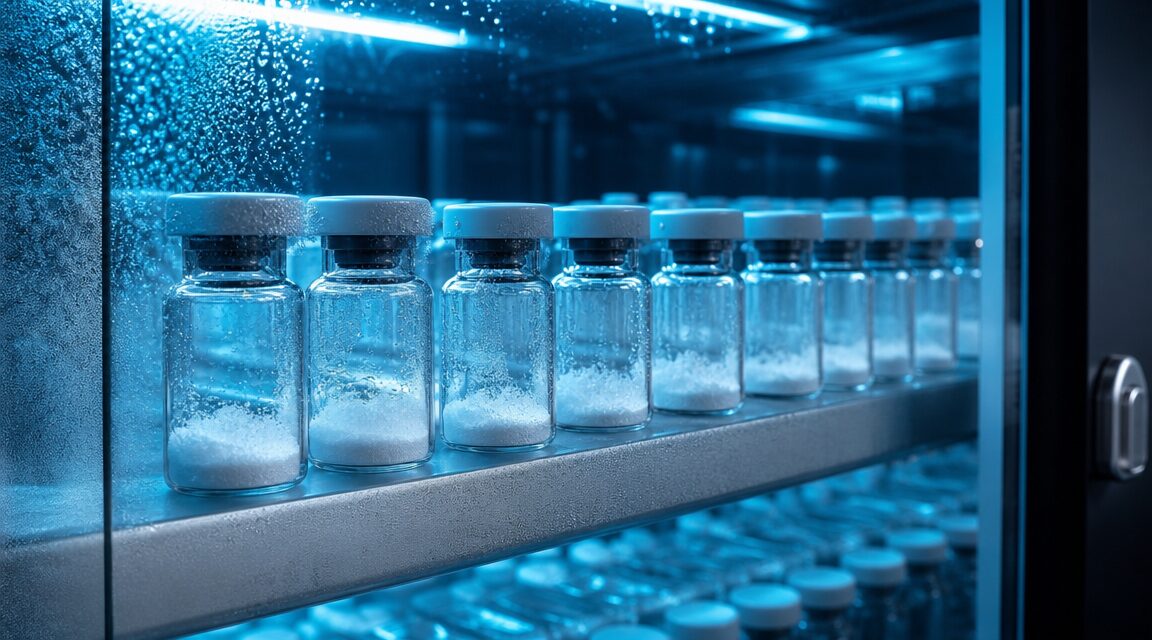
Peptide Storage and Handling Best Practices
Temperature, light, freeze-thaw, and contamination considerations for preserving peptide stability across the full lifecycle from delivery to bench.

BPC-157 + TB-500 (Wolverine Stack): Researching Peptide Synergy
The BPC-157 + TB-500 pairing works through two independent tissue-repair pathways. What published literature suggests about their synergy in lab models.
What Is TB-500? Thymosin Beta-4 in Peptide Research
TB-500 is a synthetic fragment of Thymosin Beta-4 studied for tissue repair through actin regulation. What it is, how it works, and how it differs.
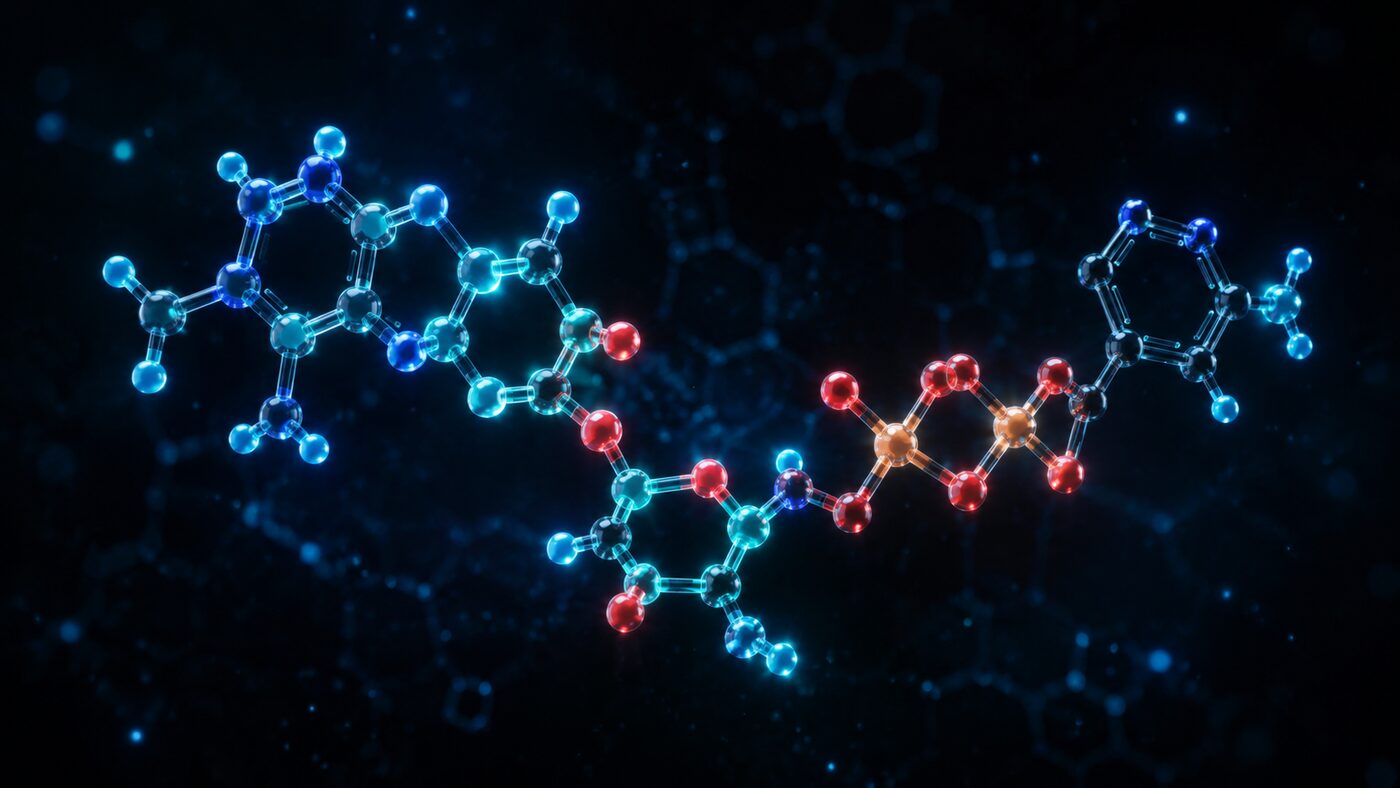
NAD+ Research: The Coenzyme Behind Cellular Metabolism
Nicotinamide adenine dinucleotide is fundamental to cellular biology. How researchers think about its decline, its precursors, and related peptides.

Selank and Semax: Nootropic Peptide Research
Two Russian-developed peptides, Selank and Semax, sit at the centre of nootropic research. Their mechanisms, BDNF effects and published findings.

CJC-1295 and Ipamorelin: Growth Hormone Secretagogue Research
CJC-1295 (a GHRH analog) and ipamorelin (a selective GHRP) are studied as a synergistic pair. How each works and why the combination outperforms either alone.

PT-141 (Bremelanotide): Melanocortin Receptor Research
PT-141 (bremelanotide) is a cyclic heptapeptide that activates central MC3R/MC4R melanocortin receptors. Its mechanism, peptide family and research status.

AOD-9604: The HGH Fragment 176-191 in Research
AOD-9604 is the C-terminal 176-191 fragment of human growth hormone, studied for lipolytic activity without the growth-promoting effects of full HGH.
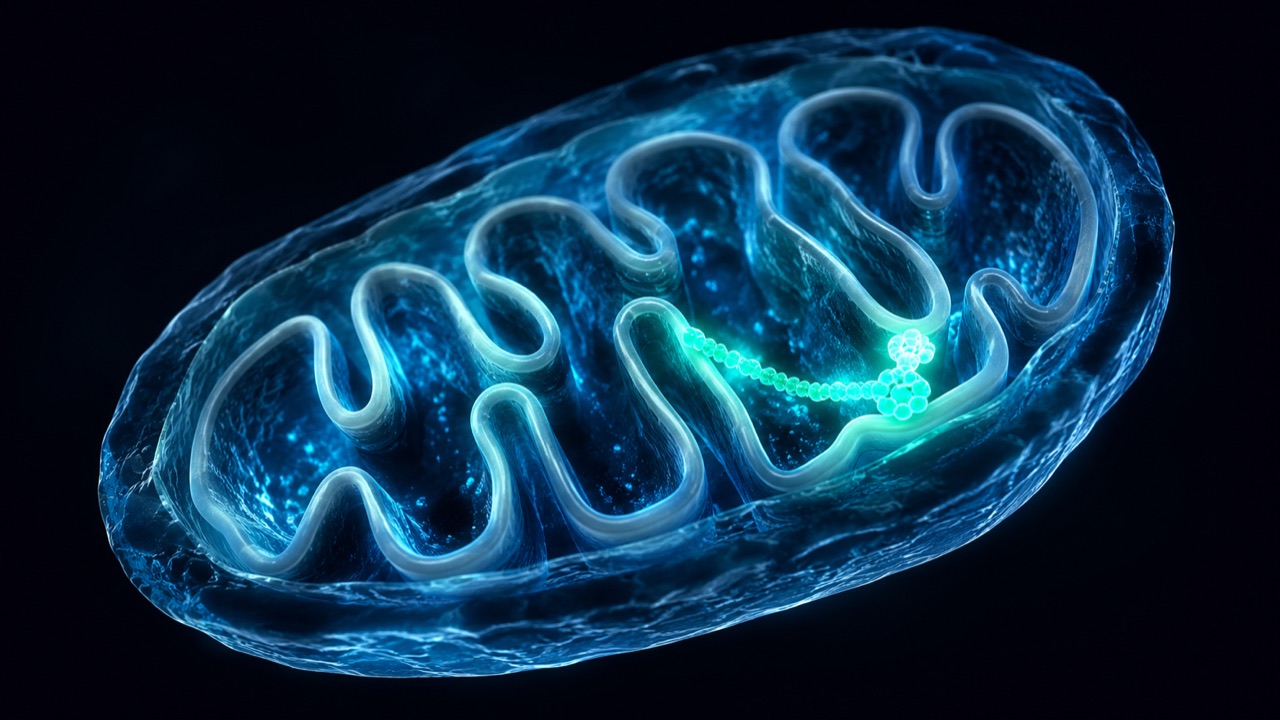
SS-31 (Elamipretide): Mitochondrial Peptide Research
SS-31 (elamipretide) is a mitochondria-targeting tetrapeptide that binds cardiolipin. How it stabilizes energy production and where it fits in research.

GHRP-2: A Growth Hormone-Releasing Peptide in Research
GHRP-2 activates the ghrelin receptor to drive growth hormone release. How it works, how it compares to ipamorelin and GHRP-6, and its research status.

5-Amino-1MQ: Emerging Research on a Metabolic Small Molecule
5-Amino-1MQ is a small molecule NNMT inhibitor with a growing body of preclinical literature in adipose, hepatic, and metabolic research models.
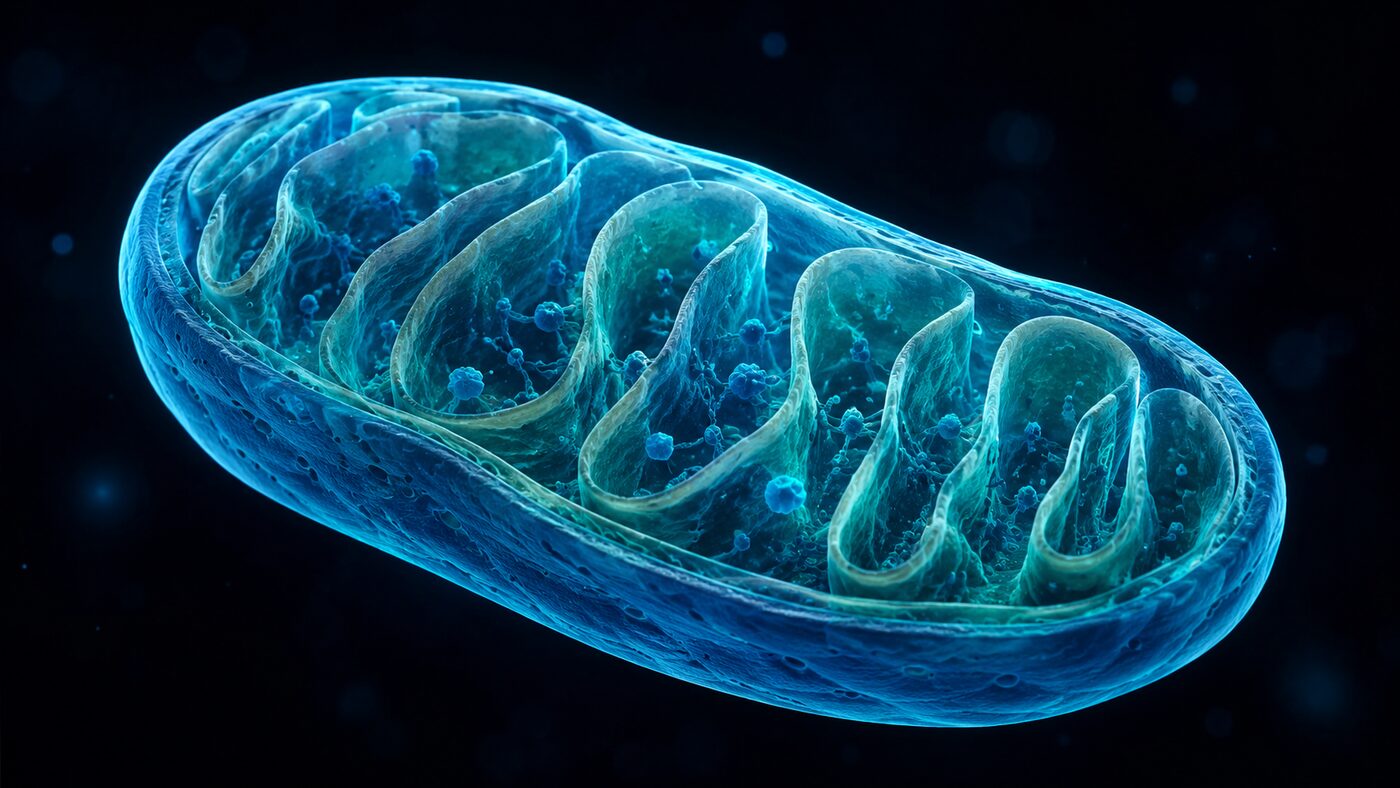
MOTS-c: Researching the Mitochondria-Derived Peptide
MOTS-c is encoded within the mitochondrial genome itself. Its discovery reframed the mitochondrion as not just a power plant but a signaling organelle.

What Helix North Stands For: Domestic Shipping, Verified Purity, a Focused Catalog
The three commitments behind Helix North — domestic Canadian shipping, third-party purity verification on every batch, and a deliberately focused catalog.

Retatrutide vs Tirzepatide: Comparing Triple- and Dual-Agonist Research
A side-by-side comparison of retatrutide's triple-receptor activity and tirzepatide's dual-receptor profile, with Phase 2 outcomes and pharmacokinetics.
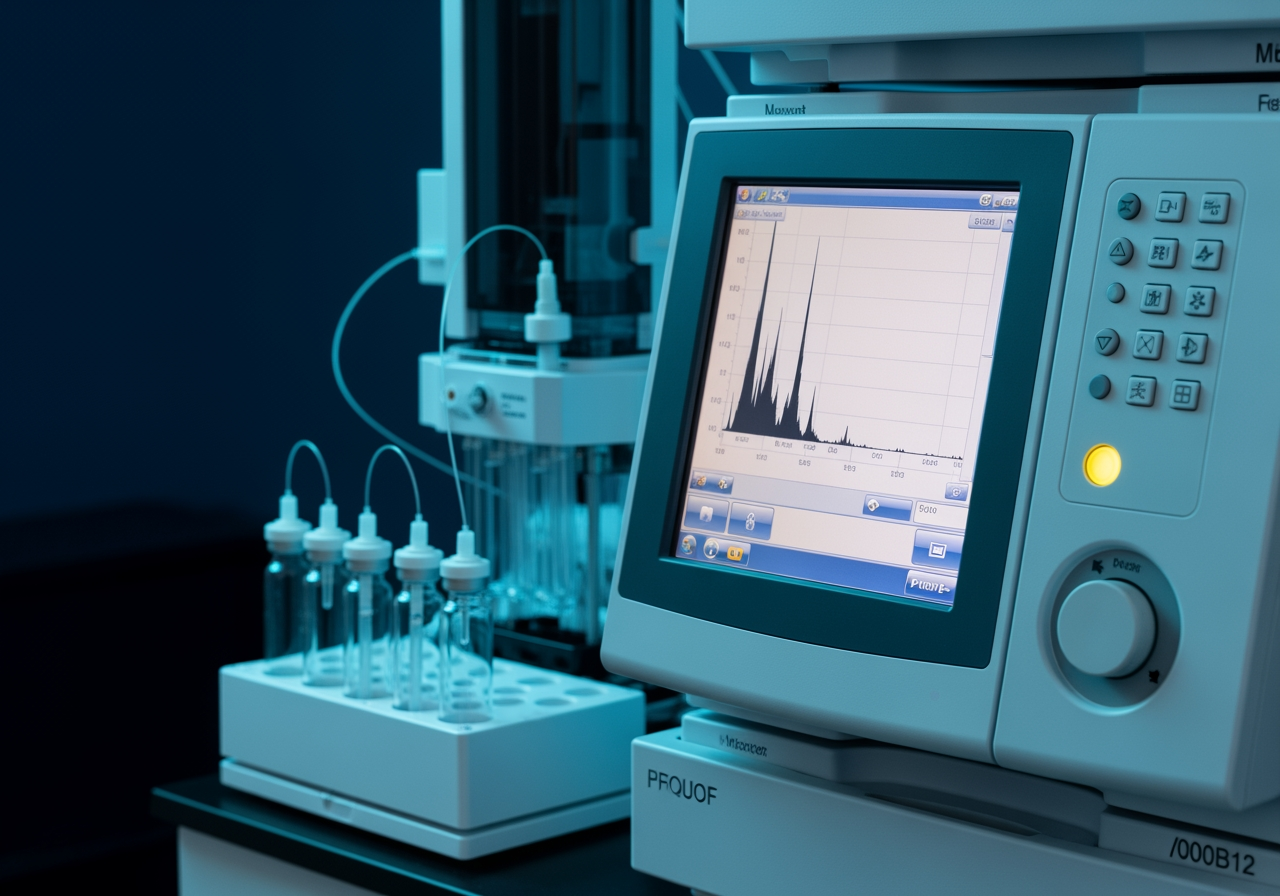
How to Reconstitute Retatrutide: Diluent Checks for the Lab
Does reconstitution solution suit retatrutide? Check formulation compatibility, laboratory concentration math, and the evidence needed for storage claims.

Retatrutide vs Semaglutide: Triple-Agonist vs Single-Agonist Research
How retatrutide's triple-receptor (GIP/GLP-1/glucagon) activity compares to semaglutide's single-target GLP-1 profile in Phase 2 data.