TL;DR: BPC-157 is a 15-amino-acid research peptide derived from a sequence found in gastric juice. In laboratory and animal models it has been studied for tissue repair, gut protection, and blood-vessel signaling — which is why it is one of the most researched "body protection" peptides. Everything below describes research findings in models, not human outcomes. It is sold strictly for research use, not for human consumption.
What Is BPC-157?
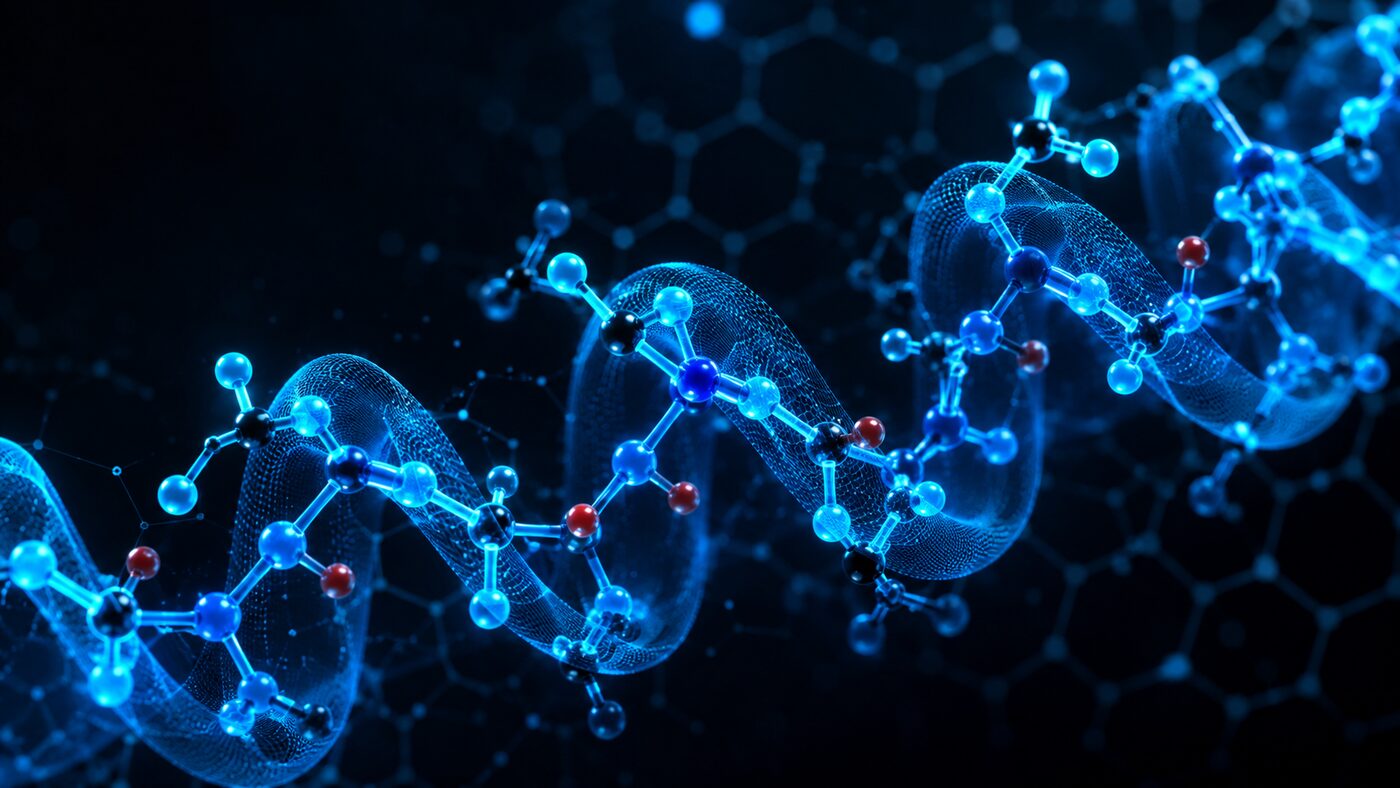
BPC-157 stands for "Body Protection Compound 157." It is a synthetic pentadecapeptide — a short chain of 15 amino acids — based on a partial sequence originally identified in human gastric juice. Unlike many peptides, it has shown notable stability in laboratory conditions and does not require a carrier protein to remain active in study settings.
Because the parent sequence comes from the digestive tract, much of the earliest research focused on the gut. Over the following decades the research expanded into connective tissue, the vascular system, and neural signaling — building BPC-157 into one of the most frequently cited peptides in tissue-repair literature.
How BPC-157 Works
The mechanisms studied in animal and in-vitro models center on a few recurring themes:
- Angiogenesis: research links BPC-157 to the formation of new blood vessels, an effect associated with a receptor called VEGFR2. New vasculature is a rate-limiting step in many repair processes.
- Nitric oxide signaling: studies report effects on the nitric-oxide system, which governs blood-vessel tone and a range of cellular signaling cascades.
- Growth-factor pathways: laboratory work has examined upregulation of growth-factor receptors involved in cell proliferation and migration.
These pathways help explain why a single peptide appears in research across such different tissue types — they are foundational processes shared by many repair cascades.
Researched Properties & Benefits
When researchers describe the "benefits" of BPC-157, they mean areas of active study — observations recorded in laboratory and animal models, not guaranteed effects in humans. The most cited areas:
- Tendon, ligament & tissue repair: the most studied domain. Animal models have examined tendon-to-bone healing and connective-tissue recovery.
- Gastrointestinal cytoprotection: reflecting its gastric origins, research has looked at protective effects on the gut lining and mucosal integrity.
- Angiogenesis & vascular signaling: new blood-vessel formation studied as a driver of tissue recovery.
- Nervous-system pathways: a newer and more exploratory area examining neural signaling and protective effects in models.
Research Areas at a Glance
| Research Area | What Studies Examine | Model Type |
|---|---|---|
| Tendon & tissue repair | Connective-tissue and tendon-to-bone healing | Animal models |
| Gut cytoprotection | Mucosal integrity and protective signaling | Animal / in-vitro |
| Angiogenesis | New blood-vessel formation (VEGFR2) | In-vitro / animal |
| Nervous system | Neural signaling and protective effects | Exploratory / preclinical |
Why Researchers Choose BPC-157
Two practical factors make BPC-157 a common starting point for tissue-repair research. First, stability — it tolerates laboratory handling better than many peptides. Second, verification — quality suppliers provide a Certificate of Analysis confirming identity and purity by mass spectrometry and HPLC.
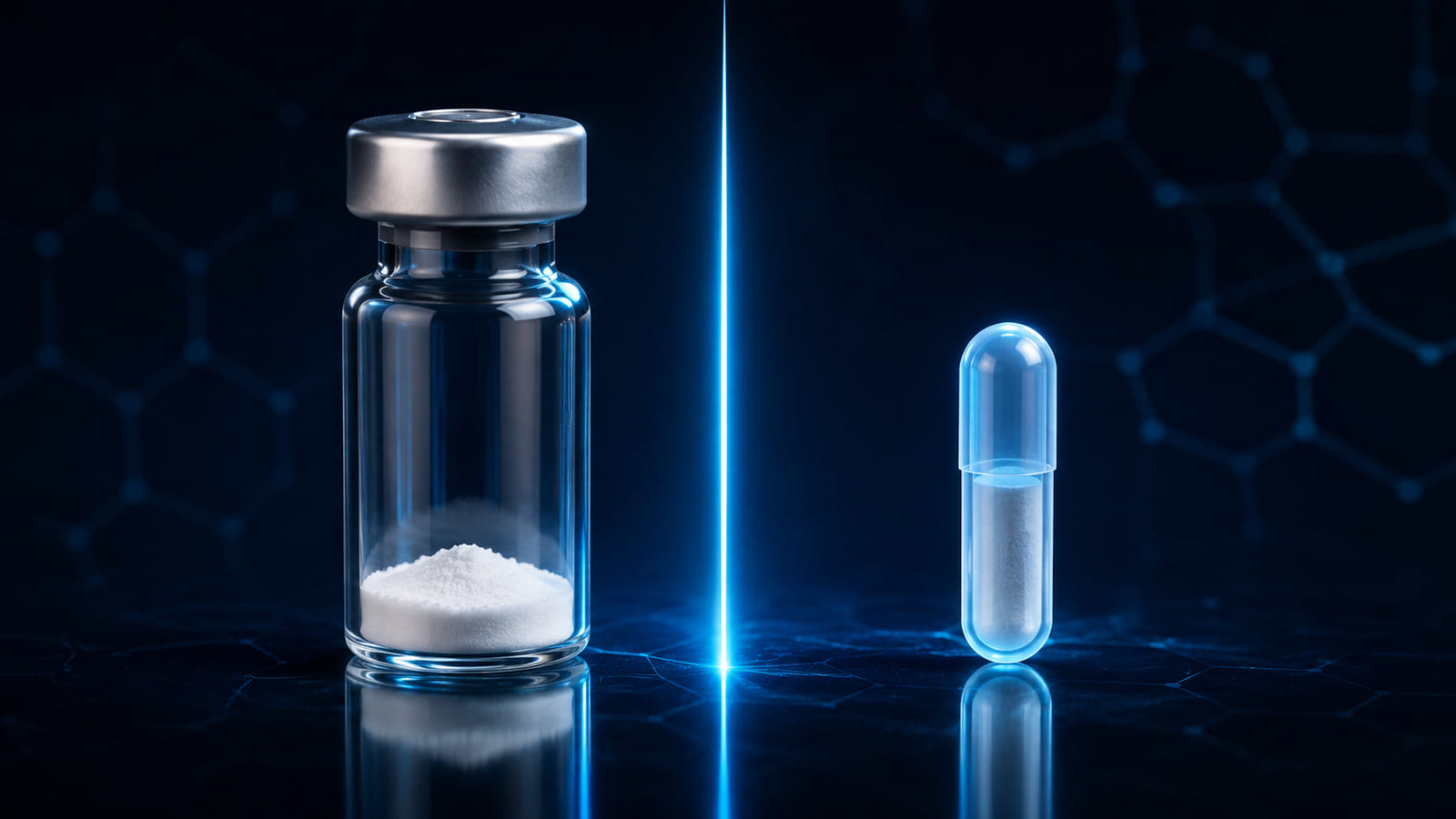
Helix North supplies BPC-157 10mg as a third-party-tested research vial, alongside an oral BPC-157 capsule format and a co-lyophilized BPC-157 + TB-500 blend for combination protocols — all shipped from Canada at >99% purity.
Research Status & Limitations
It is essential to be precise here: the BPC-157 evidence base is preclinical. The properties above come from in-vitro and animal studies. BPC-157 is not an approved drug or supplement in Canada or elsewhere, and the effects observed in models have not been established in controlled human trials.
BPC-157 is sold strictly for laboratory research purposes. It is not for human or veterinary consumption, diagnosis, treatment, or any clinical use.
Related Reading
- How to Reconstitute BPC-157 — bacteriostatic water, dilution math, and storage for lyophilized peptide.
- BPC-157 Side Effects — what the animal-model literature reports, and why no human safety profile exists.
- BPC-157 Dosage Chart (in Units) — concentration-to-syringe-unit tables for the common vial and diluent combinations.
- Oral vs Injectable BPC-157 — how the two formats differ on stability and bioavailability.
- BPC-157 + TB-500 (Wolverine Stack) — how the two tissue-repair peptides differ and why they are studied together.
- Buy BPC-157 in Canada — forms, purity, reconstitution, and domestic shipping in one guide.
- BPC-157 10mg — third-party-tested research vial, shipped from Canada.